Our story
One question changed everything
Patients were asking thoughtful questions. Families were asking thoughtful questions. Clinicians and researchers were asking thoughtful questions. The answers often existed. Finding them did not. Knowledge sat scattered across journals, society guidelines, conference talks, institutional pages, and endless searching.
So the question became a different one: what would happen if trustworthy survivorship knowledge were organized so it was understandable, continuously updated, and available the moment someone needed it? That question became this platform.
About the creator
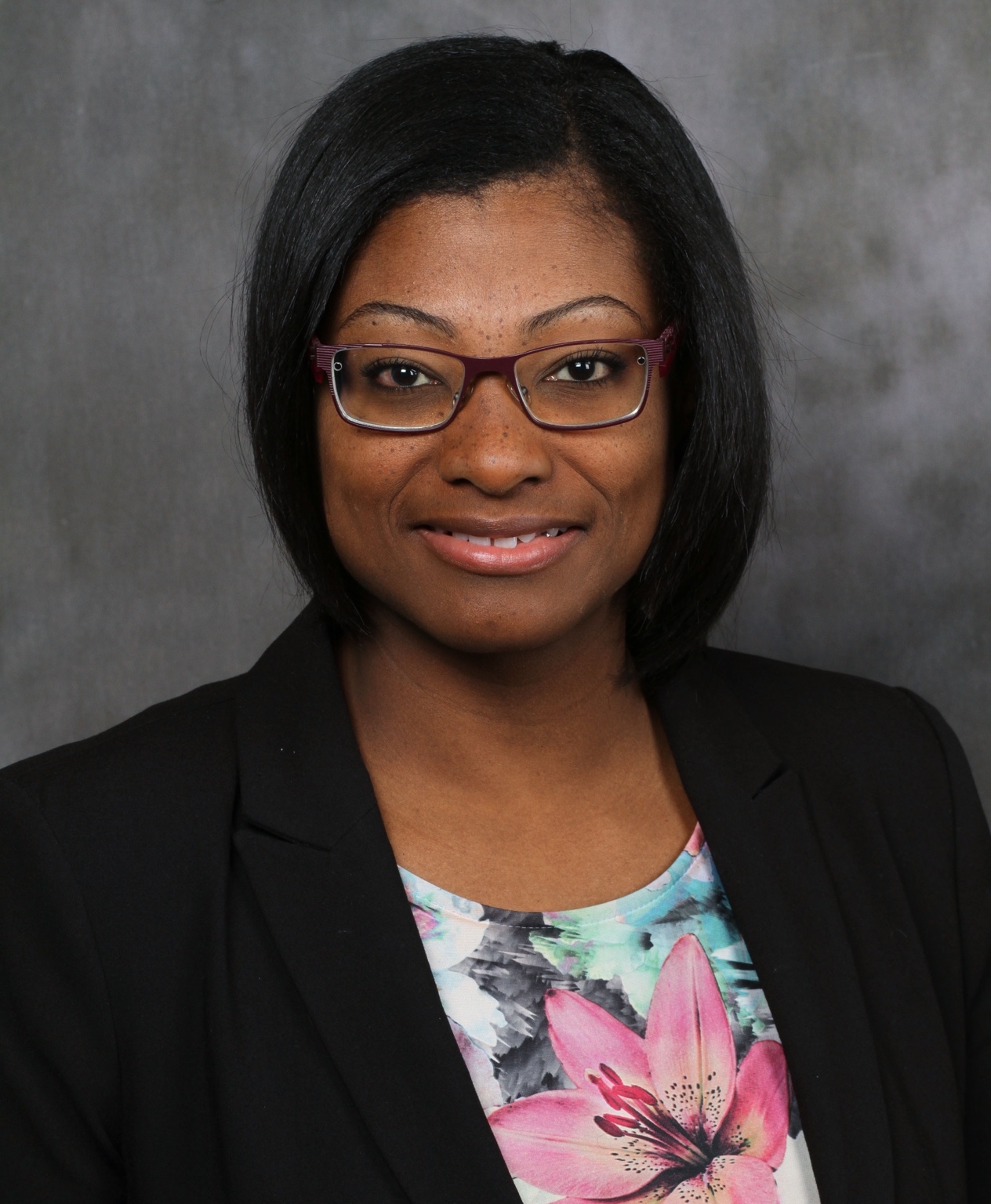
Dr. Sherry-Ann Brown is a board-certified cardiologist, physician scientist, educator, researcher, and innovator whose work spans cardiovascular medicine, cardio-oncology, cancer survivorship, artificial intelligence, digital health, implementation science, and medical education. Residency, fellowship, and clinician-investigator training at Mayo Clinic expanded an interest in individual patient care into a question about how technology, research, and education could serve whole populations.
More than 100 scientific publications and book chapters, contributions to national scientific statements, editorial service for leading cardiovascular journals, competitive research funding, and national leadership roles inform the standards this platform holds itself to.
Why cancer survivorship
People are living longer after cancer than ever before, and that success brings a new challenge. Survivors keep asking important questions for years after treatment ends. How do I protect my heart? Why am I still fatigued? Can I exercise safely? How should I prepare for follow-up? Where do I find something I can trust? Those questions cross specialties, and the answers are rarely in one place. This platform exists to bring the pieces together.
Why this platform is different
It is not built as a collection of articles. It is built as a living knowledge system: resources connect to evidence, questions connect to learning pathways, topics connect across specialties, AI helps organize what is known, and human expertise decides what is published. The goal is continuous learning rather than static information.
Editorial philosophy
Evidence first
Every educational statement traces to a source, a date, and a reviewer.
Clear language
Plain wording for survivors, clinical wording available alongside it.
Transparency
What is known, what is uncertain, and what is still being studied are all shown.
Continuous updating
Content carries a review date and a next-review interval, not a publish date alone.
Accessibility
Narration, contrast, keyboard use, and reading level are treated as requirements.
Respect
Nothing here implies a survivor or their clinician did something wrong.
Independence
Education is not shaped by whoever is paying for a placement.
Human review
AI helps organize knowledge. People decide what gets published.
How expertise is described here
Educational content is developed under the direction of the platform creator and undergoes a structured evidence-review process. There is no standing editorial board today, and none is implied. As the platform grows, additional subject-matter experts may contribute to content development and review, and reviewer attribution will name them.
Looking forward
The long-term aim is a knowledge infrastructure for survivorship that continually learns, improves, updates, and expands, turning a growing body of research into practical understanding for the people who need it most.